
Wellness High-Risk Merchant Services: Securing Your Business Against Financial Instability
Operating in the health and wellness sector means your business is constantly one transaction away from a frozen account or a total processing shutdown. Wellness high-risk merchant services are specialized payment processing solutions designed for businesses in the health and wellness space that traditional processors routinely decline, freeze, or terminate without warning.
If you sell supplements, CBD products, weight loss programs, or operate a nutraceutical brand, here is what you need to know right now:
- You are classified as high-risk by most banks and payment aggregators regardless of how legitimate your business is
- Standard processors will not reliably serve you as accounts can be frozen mid-operation, often with funds held for months
- Specialized high-risk merchant accounts exist specifically for this with features like chargeback protection, rolling reserves, and fraud monitoring built in
- Rates typically start around 2.6%–4% for wellness and nutraceutical categories, with chargeback fees around $30 per incident
- Approval is possible even with low credit scores, limited processing history, or previous account terminations.
Why Wellness High-Risk Merchant Services Payment Processing Is Considered High-Risk
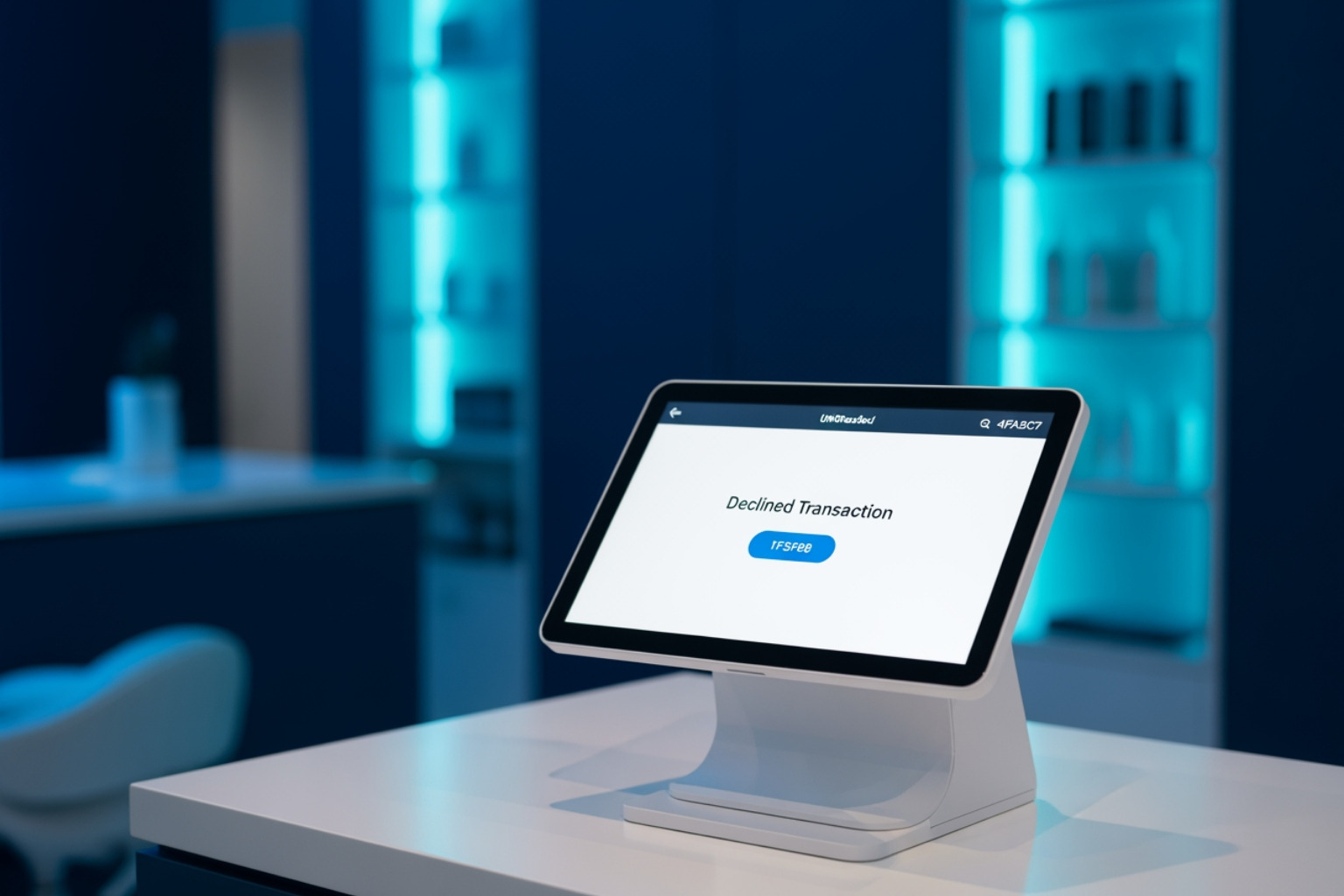
In the fintech world of May 2026, “wellness” is a broad umbrella that covers everything from vitamins to advanced peptide therapies. Unfortunately, most banks view this entire umbrella as a thunderstorm of risk. If you’ve ever seen a “declined” message on a transaction that you know should have gone through, or worse, received a “Dear John” email from a mainstream processor, you’ve experienced the volatility of the industry firsthand.
Mainstream processors have a very low risk appetite. They operate on a “process first, ask questions later” model. This sounds great when you sign up in five minutes, but it’s a trap for wellness merchants. As soon as your volume spikes or you get a single chargeback, their automated systems flag you. Because they aren’t equipped to handle the nuances of Nutraceutical Payment Processing, they simply terminate the account to protect themselves.
Why the FDA and Chargebacks Drive Risk
The primary reason for this skittishness is regulatory scrutiny. The FDA and FTC keep a very close watch on health claims. If a merchant claims a supplement “cures” an ailment, the processor could be held liable for facilitating those sales. Furthermore, the rise of GLP-1 Payment Processing for weight loss has introduced new layers of medical oversight that traditional banks simply don’t want to touch.
Then there is the “Buyer’s Remorse” factor. Wellness products often rely on subscription models or “free plus shipping” trials. When a customer forgets they signed up for a monthly vitamin delivery, they often call their bank to dispute the charge rather than asking for a refund. This sends your chargeback ratio skyrocketing. Most standard processors have a zero-tolerance policy for chargeback rates exceeding 1%. Once you hit that ceiling, you’re out. To truly understand the mechanics of this, check out Everything You Need to Know About High-Risk Merchant Accounts.
Common Challenges for Wellness High-Risk Merchant Services Merchants
A high-risk account isn’t just a standard account with a higher price tag; it’s a different piece of technology entirely. When you use a provider like Vector Payments, you get access to a secure payment gateway dashboard designed to fight back against the specific threats wellness merchants face.
In the low-risk world, hitting a 1% chargeback rate is a death sentence. In the high-risk world, we provide tools to keep you under that limit. This includes Chargeback Alerts, which notify you the moment a customer disputes a charge, allowing you to issue a refund before it becomes a formal chargeback. This is vital for Med Spa Payment Processing, where high-ticket aesthetic procedures can lead to significant revenue loss if disputed.
Specialized Gateways for Wellness High-Risk Merchant Services
The “plumbing” of your payments matters. High-risk gateways offer features like Load Balancing. This allows you to spread your transaction volume across multiple Merchant IDs (MIDs). If one account hits its monthly volume cap or has a spike in disputes, the traffic is automatically routed to another MID, ensuring your “Open” sign stays lit.
For businesses like Day Spa Payment Processing, smart routing and the use of specific Merchant Category Codes (like MCC 6012 for certain financial wellness services) can significantly increase authorization rates.
Requirements for Wellness High-Risk Merchant Services Merchant Account Approval
Underwriting is the process where a bank decides if they want to get in bed with your business. In the high-risk world, this is a serious, manual review. It’s not just an algorithm; it’s a human looking at your website, your lab reports, and your bank statements.
To get a wellness high-risk merchant services account, you need to be prepared. We generally see approvals within 24–48 hours if the merchant has their “ducks in a row.” This includes:
- KYC (Know Your Customer) Protocols: Government ID, EIN, and utility bills.
- Financials: Typically 3 months of business bank statements.
- Product Verification: For supplements, this means lab reports (COAs) and a website compliance check to ensure no “illegal” health claims are being made.
- Processing History: If you have been processed before, your “processing statements” are your resume. They show you can handle volume without excessive chargebacks. This is standard even for Beauty Salon Payment Processing.
Understanding Wellness High-Risk Merchant Services Payment Processing Rates and Fees
High-risk processing does cost more, but it’s the price of stability. Think of it as insurance for your revenue stream.
For more specific details on costs, see our guide on Payment Processing for Nutraceuticals and Supplements.
Why Wellness High-Risk Merchant Services Face Account Shutdowns
Mainstream aggregators are essentially “renting” you a piece of their own merchant account. If you get into legal trouble or generate too many disputes, you threaten their entire ecosystem. They would rather lose your business than risk their relationship with the card brands (Visa/Mastercard). This leads to sudden freezes where your funds are held for 90 to 180 days “just in case.”
This is particularly true in the beauty sector, where beauty wellness payment processing often involves high-ticket services or products that are prone to disputes.
Top Wellness High-Risk Merchant Services Payment Processing Providers
When looking for a partner, you need a provider that specializes in the unique needs of the health industry. At Vector Payments, we provide the strategic stability that high-risk merchants need to scale. We understand the regulatory landscape and the technical requirements of modern fintech. We provide more than just a merchant account; we provide a partnership with 7-day support, transparent USD rates, and a suite of fraud-fighting tools to ensure that your business stays operational even when the “big banks” get cold feet.
Frequently Asked Questions about Wellness Processing
Why is my supplement business considered high-risk?
It’s a combination of three things: FDA Scrutiny, High Refund Rates, and Buyer’s Remorse. Because the supplement industry is “loosely regulated” compared to pharmaceuticals, banks fear that a sudden change in law or a batch of bad products will lead to a flood of disputes that the merchant cannot pay back.
What is a rolling reserve and why do I need one?
Think of a rolling reserve as a security deposit or a no employer match 401K. Because wellness is volatile, the bank wants a “cushion” of your own money to protect them from losses. In May 2026, the standard is a 10% reserve for 3-6 months. It ensures that even if you have a bad month, your processing remains stable.
Can I get an account with bad credit history?
Yes. While having a low credit score makes things harder, it’s not an automatic “No.” Specialized high-risk underwriters look at the current health of the business and your fraud prevention strategies rather than just a credit score.
Conclusion
The wellness industry is the future of healthcare, but it shouldn’t be held back by antiquated banking fears. Don’t let a “declined” notification or an account freeze stop your mission.
Ready to Secure Your Wellness Payment Processing?
Experience the difference that a dedicated high-risk partner can make for your wellness or med spa business.
Secure Your Med Spa Merchant Account